WILD
Featuring four world premieres commissioned by Lorelei, this nonconformist and charged program claims a limitless space for the incomparable voices of Lorelei Ensemble and five composers whose music bucks convention and disregards the traditional boundaries of genre. Merging the provocative prose of Virginia Woolf with poetry by Khadijah Queen and Mira Jacob, tracing the trajectory and limitations of technology in music, and layering sounds of real and imagined beasts, WILD is about controlled borders and vast landscapes, freedom and constraint, clarity and distortion, and the ways we resist and embrace wildness in ourselves and in the world around us.
COMPOSERS
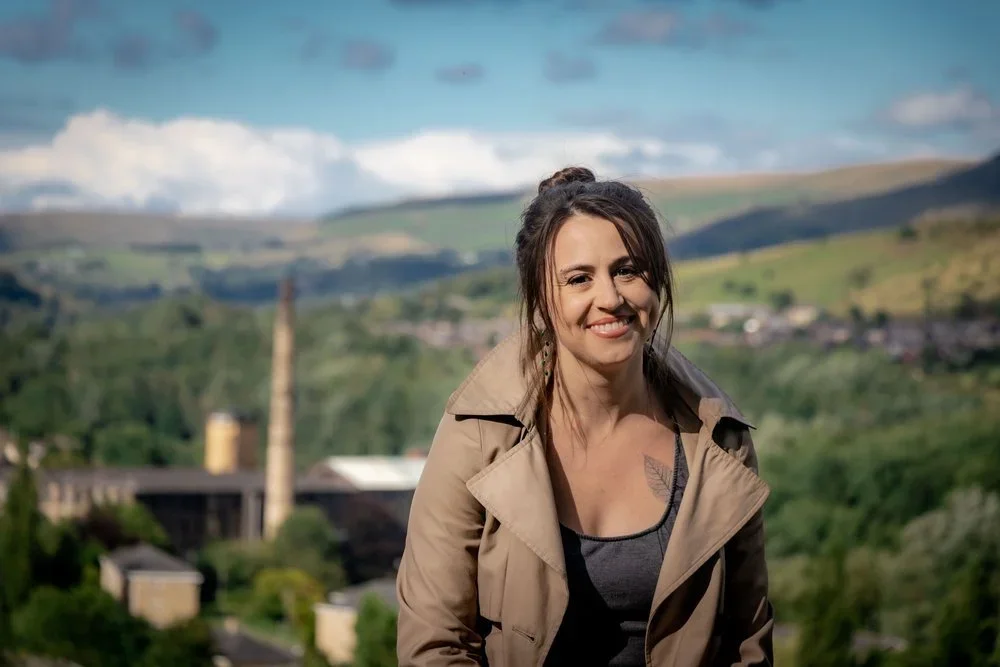
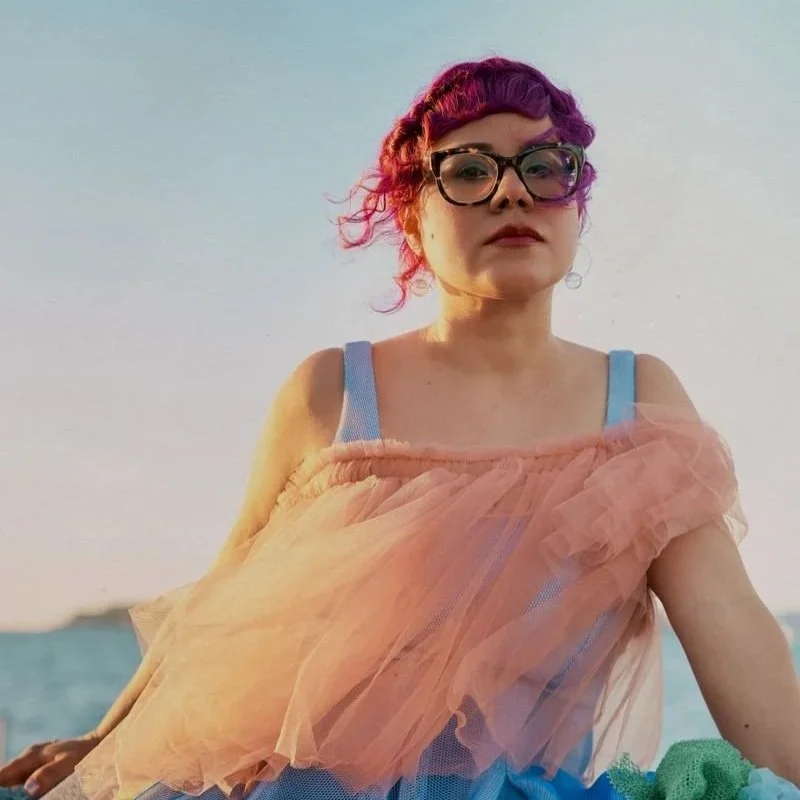
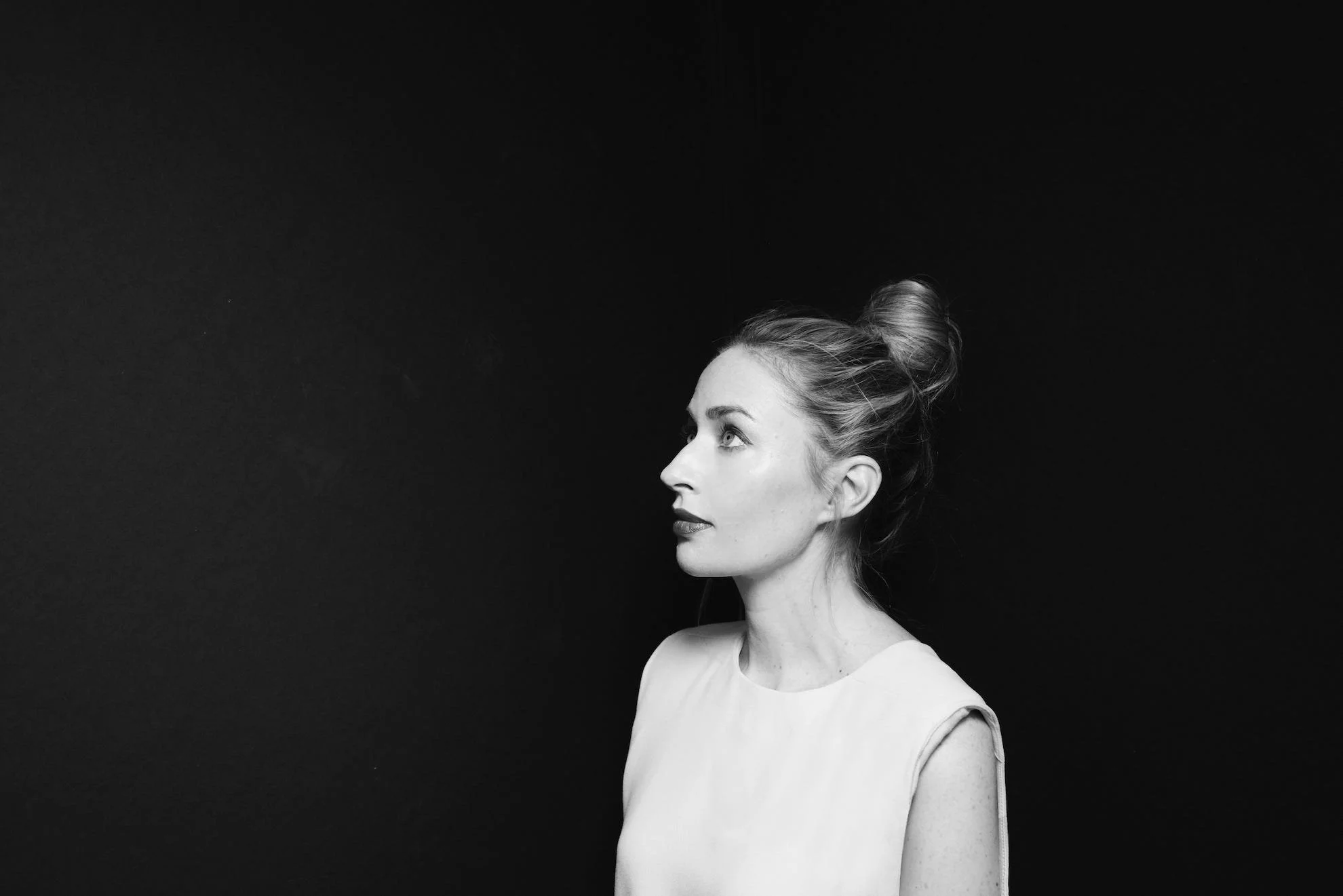
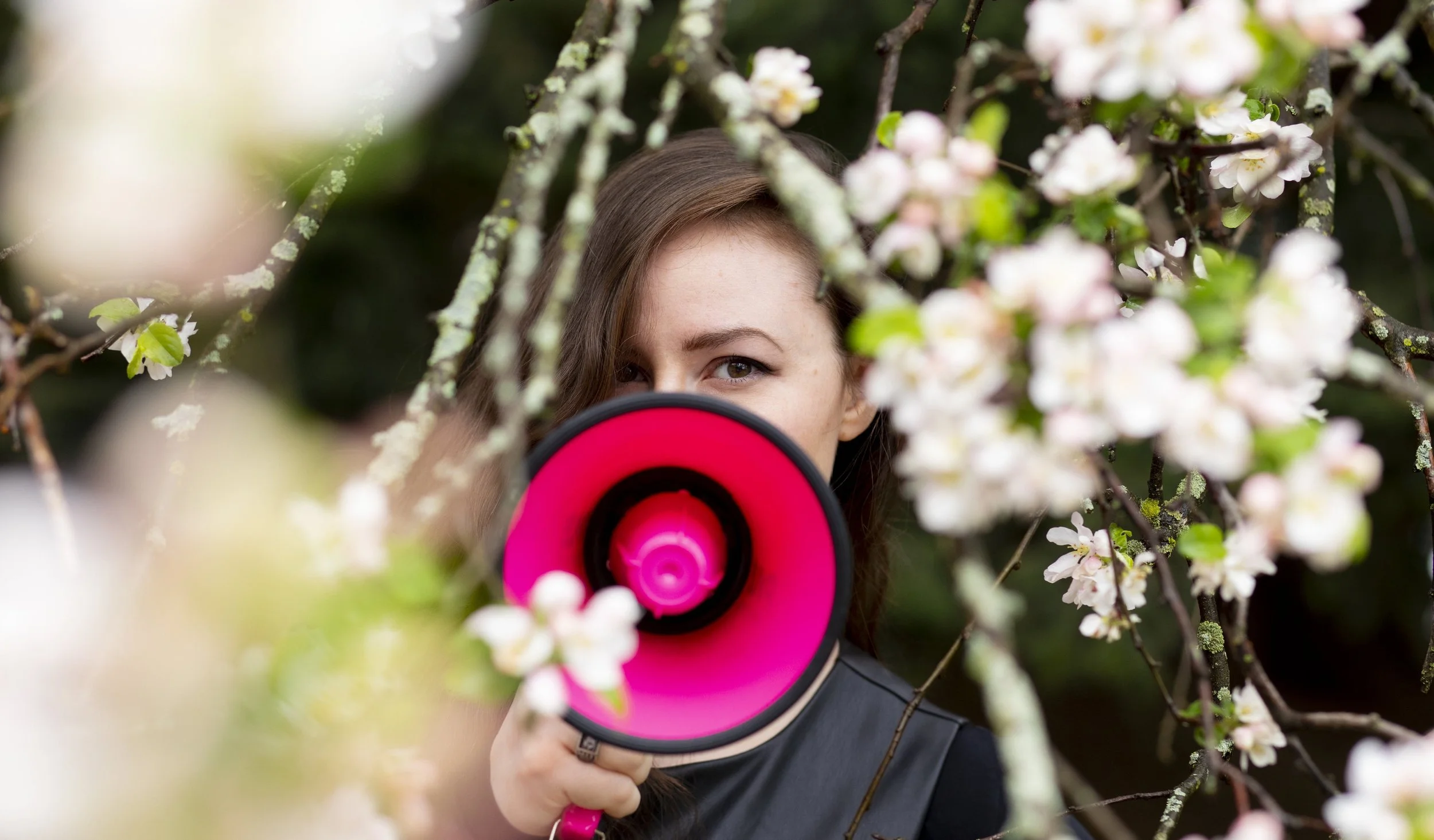
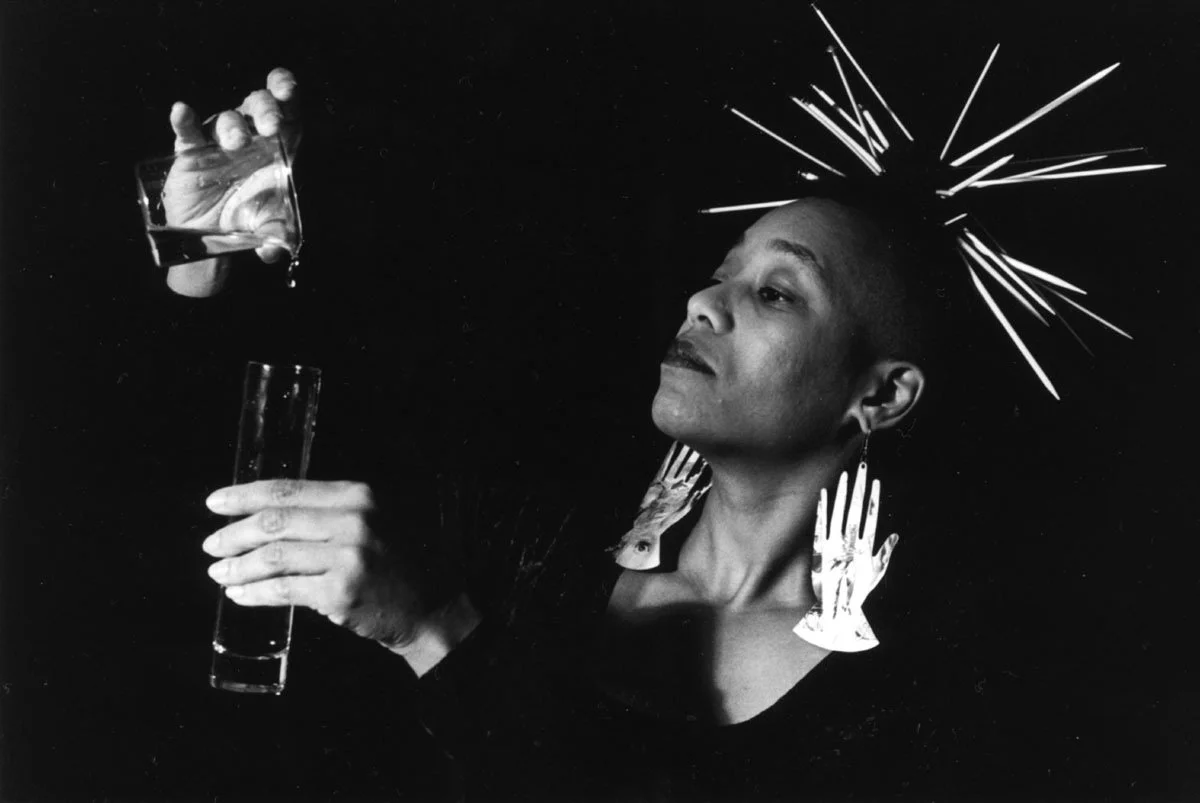
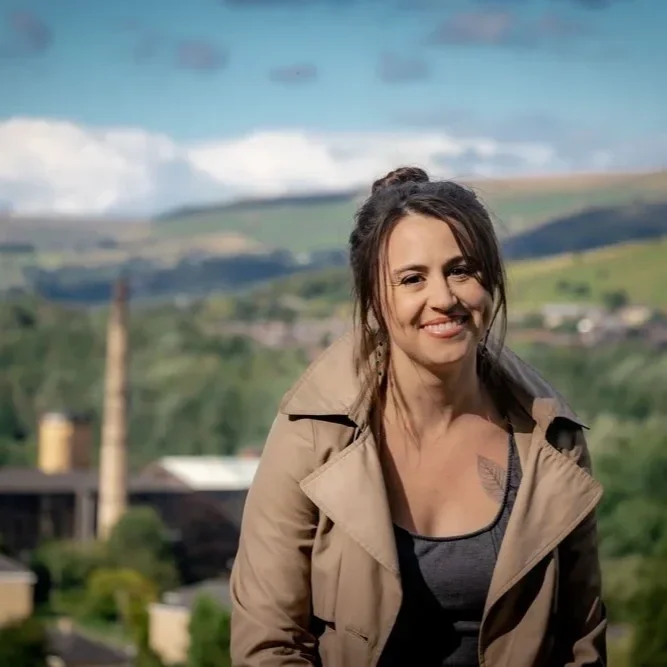
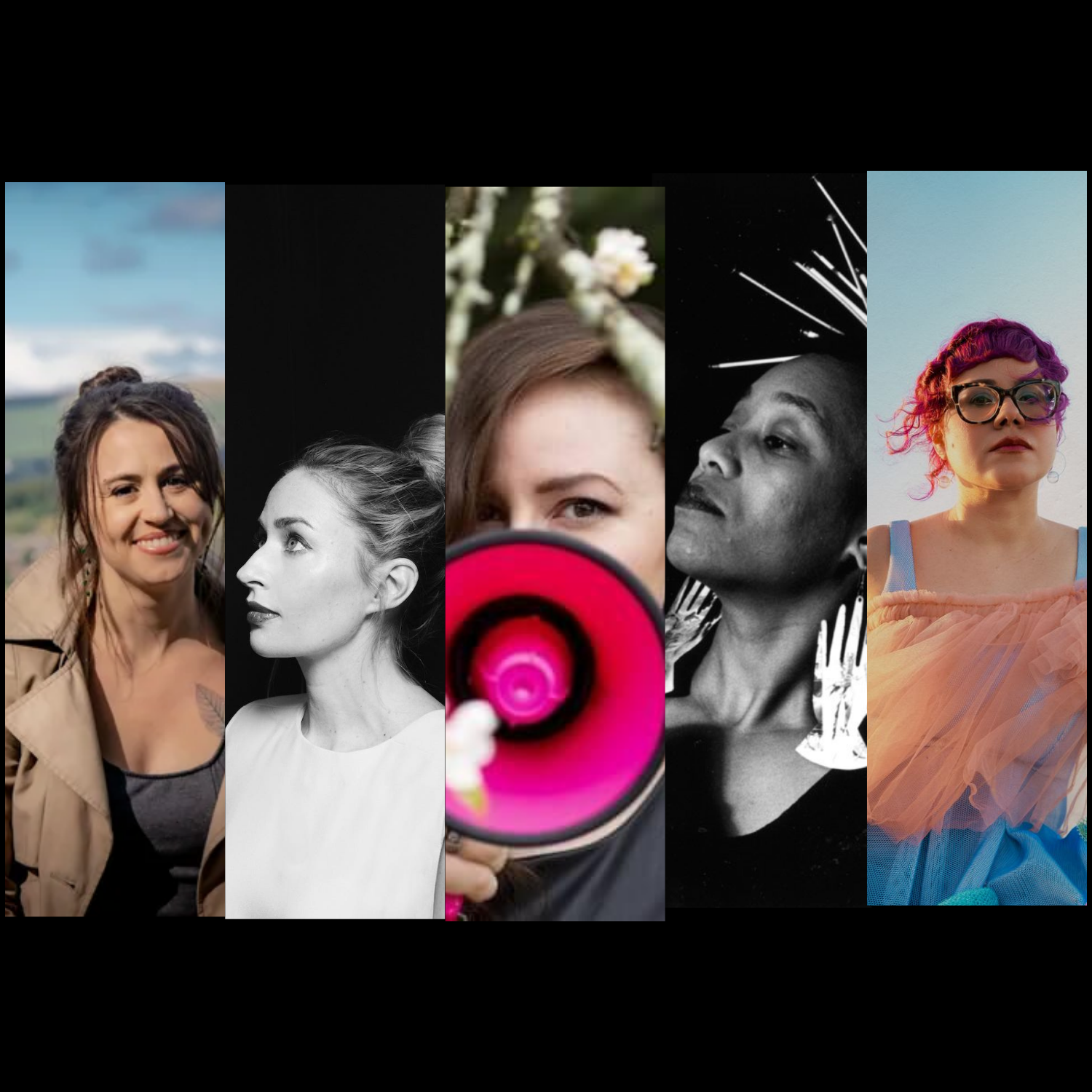
Katherine Balch, songs and interludes
In her essay A room of one’s own, Virginia Woolf considers the circumstances under which a woman’s capacity to self-express have been historically suppressed. I am attracted to this essay for a lot of reasons, but mainly for its elegance of language and storytelling. She somehow makes a no-nonsense, straightforward argument burst with poetry and attention to detail.
-
“Commissioned by Lorelei and Manchester Collective to write a piece in response to, or to exist beside, Feldman’s Rothko Chapel, I set about reflecting on Woolf’s words, filtering them out bit by bit until distilled collection of textual building blocks emerged, resulting in a page with only a word or two visible on each page. It bears a resemblance in my mind to the black triptychs that hang in Rothko’s Chapel — mostly monochromatic, with textural ripples.
“I’d like to think that there is an essence of the meaning of Woolf’s words contained in my filtering process, but now there is space for music to breathe between and give new life to the words. My piece for Lorelei sets six of these black-out texts, one for each chapter in Woolf’s essay. I wonder how Woolf, who died of suicide just shy of 30 years prior to Rothko’s own self-inflicted death, would have felt sitting in Rothko’s Chapel, or hearing Feldman’s response. Would she have wondered about the resources and support that helped to ferry these canonic works into the world? Would Rothko’s Chapel be the room of one’s own, the sanctuary of creative reflection she advocated for, or a reminder of the exclusiveness of time and space to think to certain societal echelons? Would their shared struggle with depression be a source of connection or estrangement? I perceive both as artists who endeavored to carve out vast spaces (with language, with color) where impossible things could become possible. Would they feel a resonance between their works as I do? I don’t endeavor to answer these questions in my piece for Lorelei, but to let them gently shape my musical response.”
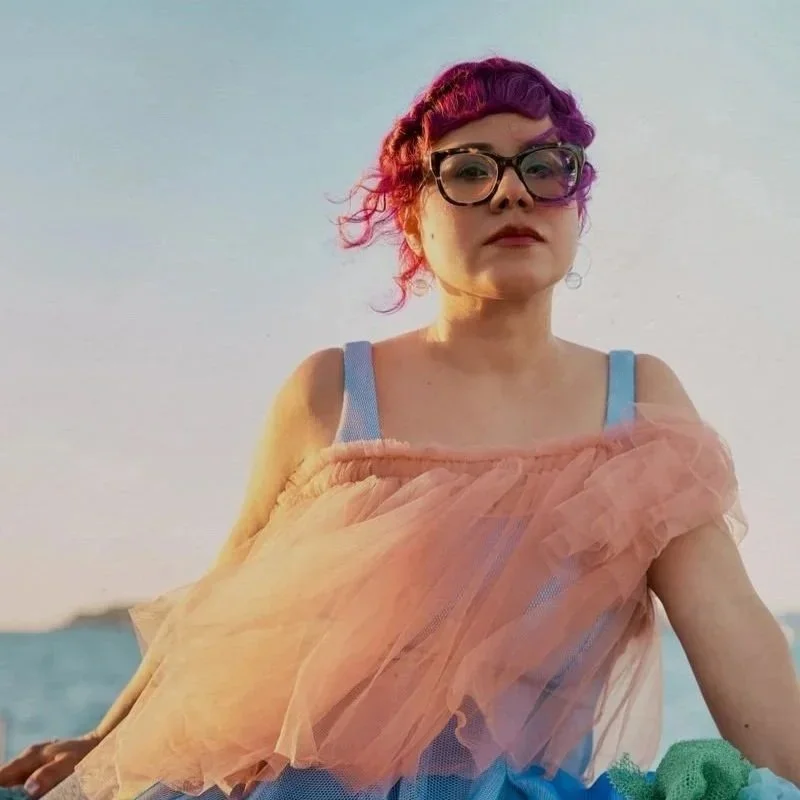
Angélica Negrón, (ritual: postcathexis)
(ritual: postcathexis) will be inspired by and connected to Khadijah Queen’s poetry. It’ll use as the text a section from a longer piece called Incantations, which is about the process of building oneself anew after emotional shattering--the body and the physical ear folding into themselves a metaphor for self-protection and beginning to (re)learn how to listen to one's own untamed voice.
-
I met Khadijah Queen a few years ago at the Civitella Ranieri residency in the Umbrian region of Italy, where we spent a month in close exchange, learning one another’s practices and diving deeply into our own work. Since then, I have dreamed of setting her words to music, and I am excited for this long held collaboration to finally come to life.
The composition will move between raw, visceral sonorities and more fragile, intimate vocal gestures, layered with electronic textures drawn from processed micro samples of voice and body percussion. The piece aims to create a cathartic and enveloping sound world, grounded in radical honesty and the physical presence of sound.
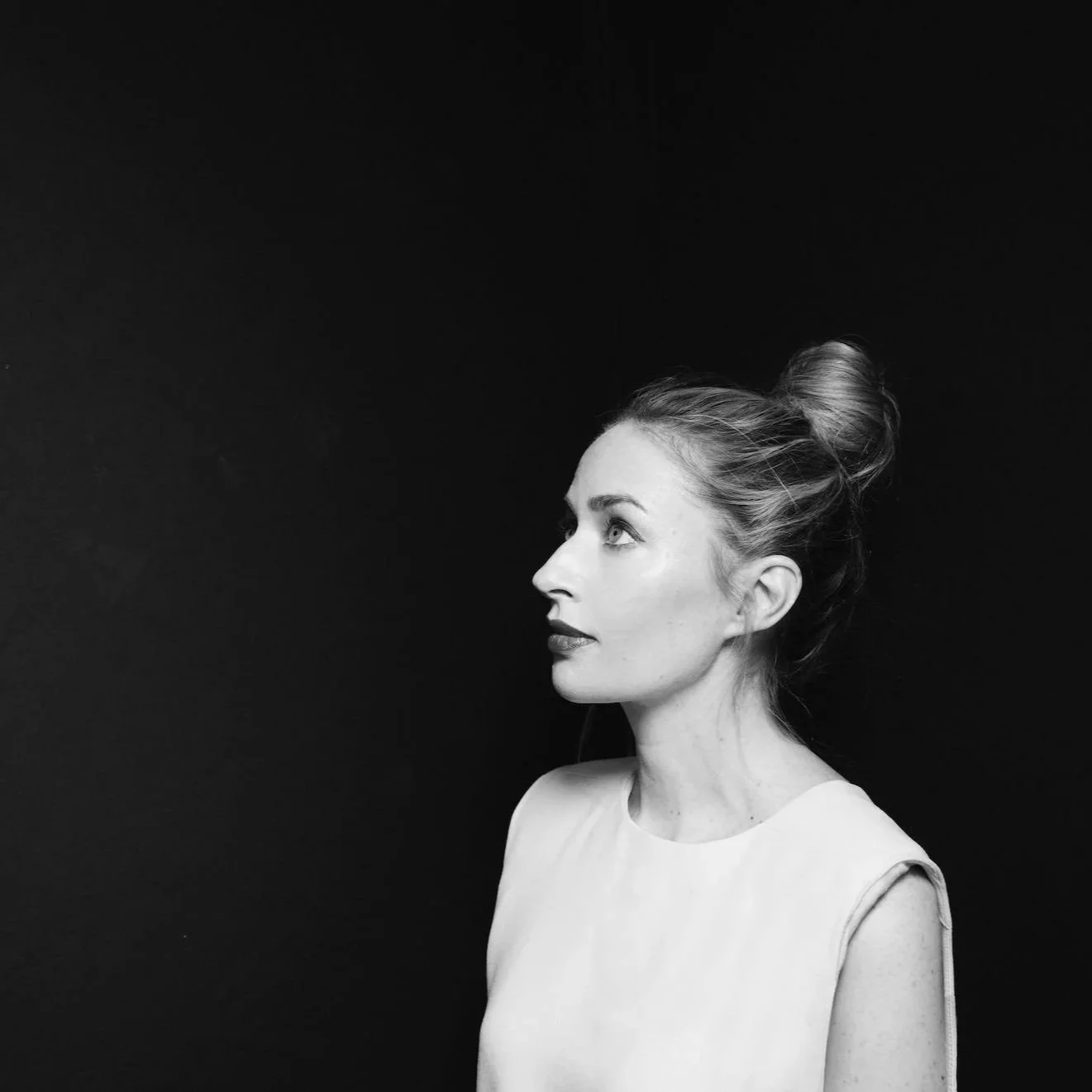
Sarah kirkland snider, we split open
The American writer Mira Jacob and I are writing a set of vocal pieces that specifically address what wildness looks like through the female gaze. What does it mean to thrive on the periphery of so-called civilization, to feel the isolation and thrill of our untold stories, to build networks of shared knowledge for mutual survival? With these pieces, we will explore the many ways in which women experience wildness—temporal, spiritual, eternal.
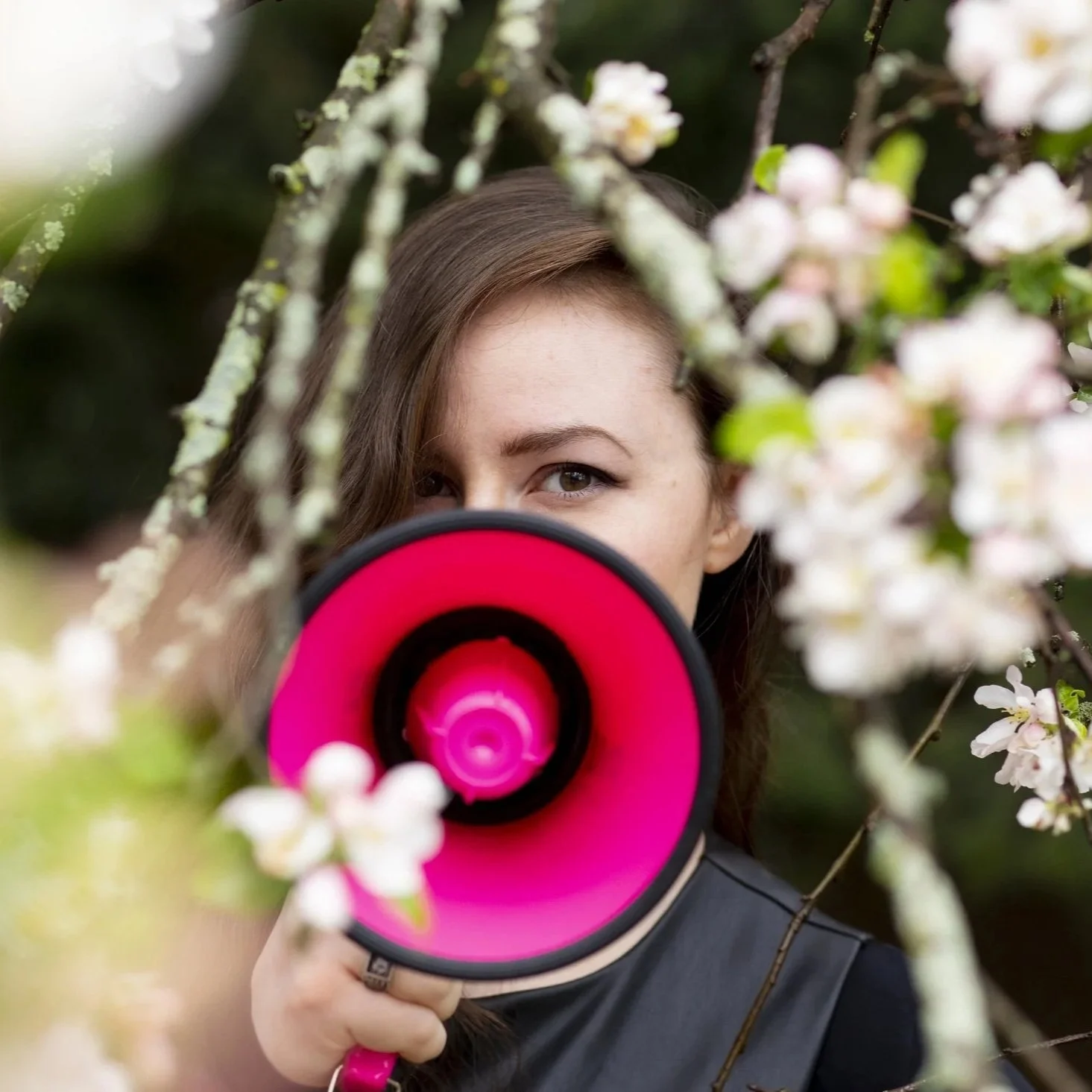
tina Tallon, broad band
Much of my work as a composer, creative technologist, and vocalist explores the ways that technology impacts how artists interact with society. broad band is an opportunity to plumb the depths of not only innovative vocal writing and performance, but also the voice technologies that mediate our everyday lives in both mundane and uncanny, unpredictable ways - especially those that involve artificial intelligence.
-
Description AI-powered voice synthesis has become incredibly ubiquitous in recent years, putting into question the inalienable relationship of the voice to the body, as well as our abilities to appraise authenticity, intention, and humanity in mediated voices. While many early AI voice synthesis technologies were developed with the goal of increasing accessibility, they have also been coopted for nefarious means, allowing for deceit, exploitation, and control.
broad band will incorporate custom AI-powered voice synthesis technology to probe the limitations of these tools, exploring what it means to have and to use a voice in modern society. Through close collaboration with the singers, we will record hours of source material and create custom models of each of their voices using open-source AI voice synthesis architectures. During the performance, the singers will engage with these models in real time, weaving a sonic tapestry that blurs the lines between the singers’ voices and their synthesized counterparts. But more importantly, the piece will be composed to specifically probe the failure points of these models, examining how the underlying assumptions that have influenced their training and development fail to capture the breadth and depth of human vocal expression.
The text will be constructed from a variety of sources, including reactions the singers have while creating, experimenting, and engaging with their models. This iterative and collaborative process is in itself a testament to the power of human artistry, and a refutation of the notion that art-making and cultural production can simply be automated away through the use of generative AI.
By pushing the limits of these models, we can shed light on not only how they function, but also how we distinguish human from machine and fact from fiction.
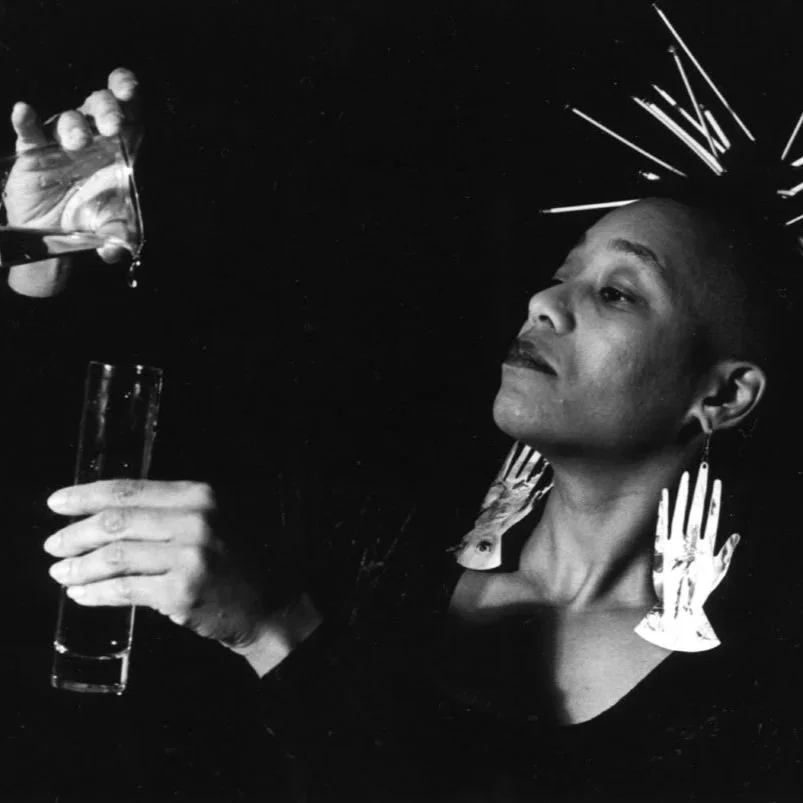
Pamela z, sauvage
Sauvage will explore the concept of “wildness” through the myriad possibilities of wild sounds that can be made with the voice, ranging from the non-verbal placeholder noises that punctuate human speech to a barrage of very non-human sounds that mimic or call to mind animal voices and sounds made by real or imagined beasts of “the wild”. It will also examine the meaning of the word “wild” in all its many senses ranging from untamed or unrestrained to violent or insane to enthusiastic or extreme.
-
Using a signature approach of my compositional practice, I will incorporate speech fragments – taken from interviews with the artists of Lorelei and others, who I will question about their thoughts on what it means to be wild, as well as field recordings of non-human sounds. The language and sounds that emerge from the interviews and recordings will be sculpted into a fixed media part, and will also generate pitched and rhythmic motifs that will be woven into the vocal score.
WILD was commissioned by Lorelei Ensemble with the support from Justus and Elizabeth Schlichting, Yale Schwarzman Center, Susan Reardon, Kathleen and James Drummy, and Raulee Marcus.